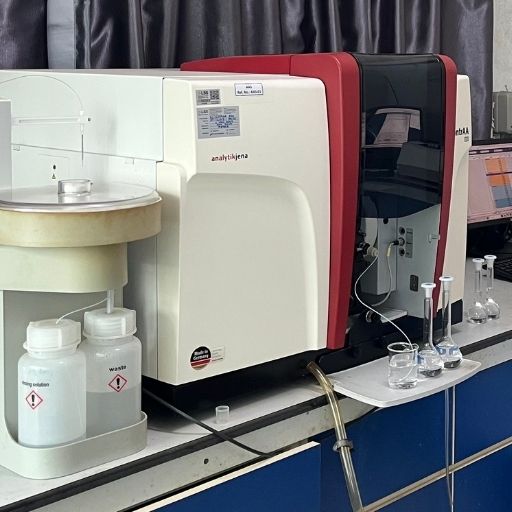
Heavy Metal Testing for Fertilizer |
Heavy metal testing for fertilizer is carried out to determine the presence and concentration of toxic metallic elements that may pose risks to soil quality, crop safety, water resources, and human health. This testing is essential to ensure that the fertilizer is safe for agricultural use and complies with regulatory limits, industry specifications, and buyer requirements.
Fertilizers can contain trace amounts of heavy metals depending on the origin of their raw materials and production process. This is especially important for organic fertilizers, compost, sludge-based products, and waste-derived fertilizers, where contaminants may be introduced from animal waste, industrial residues, municipal biosolids, or recycled materials. Chemical fertilizers can also contain certain heavy metals, particularly when derived from mineral sources such as phosphate rock.
Why Heavy Metal Testing Is Required ?
Prevent toxic accumulation in soil and crops
Protect food safety & human health
Ensure regulatory compliance (DOE / DOA / export markets)
Verify suitability of waste-derived raw materials
Support fertilizer registration & certification