Physical Testing |
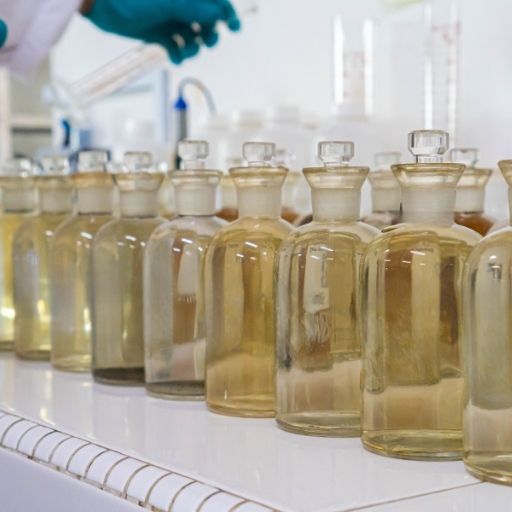
Physical testing in water analysis involves the measurement of observable and measurable physical characteristics of water. These tests provide a first-level assessment of water quality, indicating the presence of suspended or dissolved matter and helping to evaluate treatment efficiency and suitability for use.
Physical parameters do not identify specific chemical compounds or microorganisms but serve as important indicators of overall water condition and potential contamination.
Example Key Parameter Tested:
pH, Temperature, Color, Odour, Turbidity, TSS, TDS, Conductivity, and Salinity.
Microbiological Testing |
Microbiological testing in water analysis involves the detection and enumeration of microorganisms, particularly indicator bacteria, to assess biological contamination and public health risk. These tests are essential for verifying the safety of drinking water, evaluating treatment and disinfection effectiveness, and monitoring environmental water quality.
Microbiological results indicate whether water has been contaminated by faecal matter or pathogenic organisms and whether corrective actions are required.
Example Key Parameter Tested:
- Escherichia coli (E. coli)
- Total Coliform Bacteria

Chemical Testing |
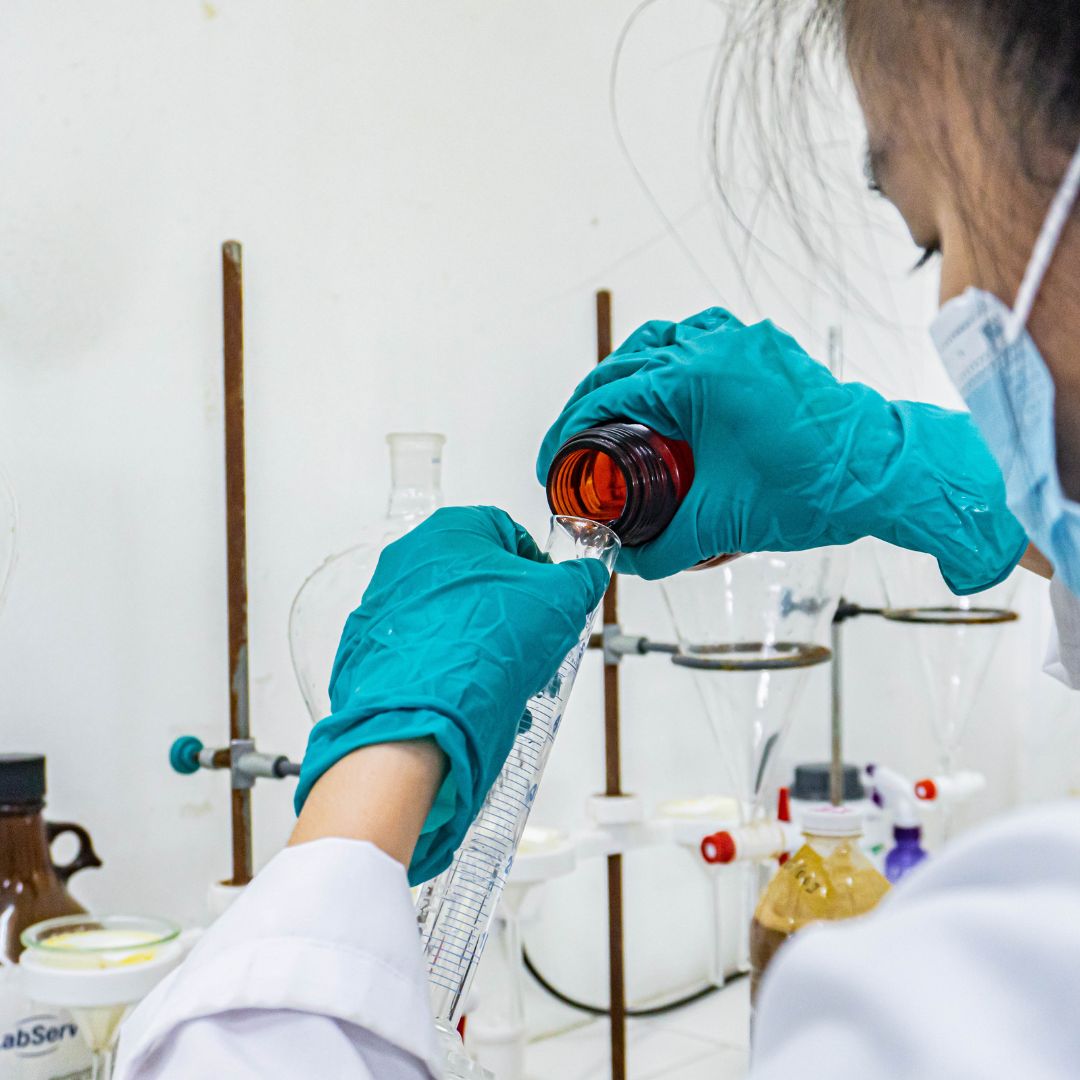
Chemical testing in water analysis involves the measurement of chemical constituents and pollutants present in water to determine its quality, pollution strength, and suitability for use or discharge. These tests identify dissolved chemicals that cannot be detected by physical observation alone and are essential for process control, environmental protection, and regulatory compliance. Chemical testing evaluates both naturally occurring substances and contaminants introduced by human activities.
Key Parameter Tested:
- Chloride
- Oil and Grease
Heavy Metal Testing |
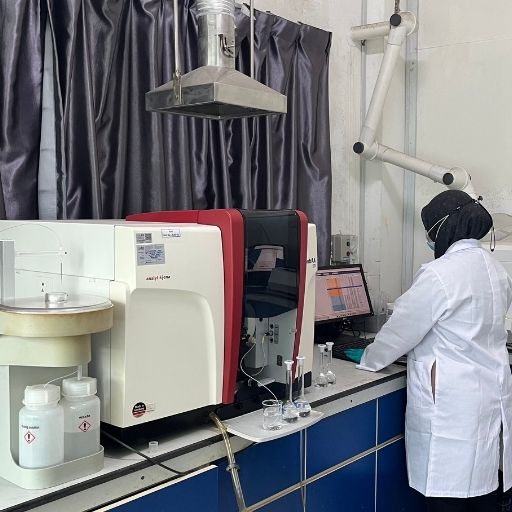
Heavy metal testing in water analysis involves the detection and quantification of metallic elements present at trace or elevated concentrations. These metals are of concern because they are toxic, persistent, non-biodegradable, and can accumulate in living organisms, posing serious risks to human health and the environment.
Heavy metal testing is essential for assessing industrial pollution, wastewater discharge compliance, drinking water safety, and environmental impact.
Example Key Parameter Tested:
- Iron (Fe)
- Manganese (Mn)
- Copper (Cu)
- Cadmium (Cd)